Is it really a bad idea to drive in the snow? What really changes when you do drive in the snow?
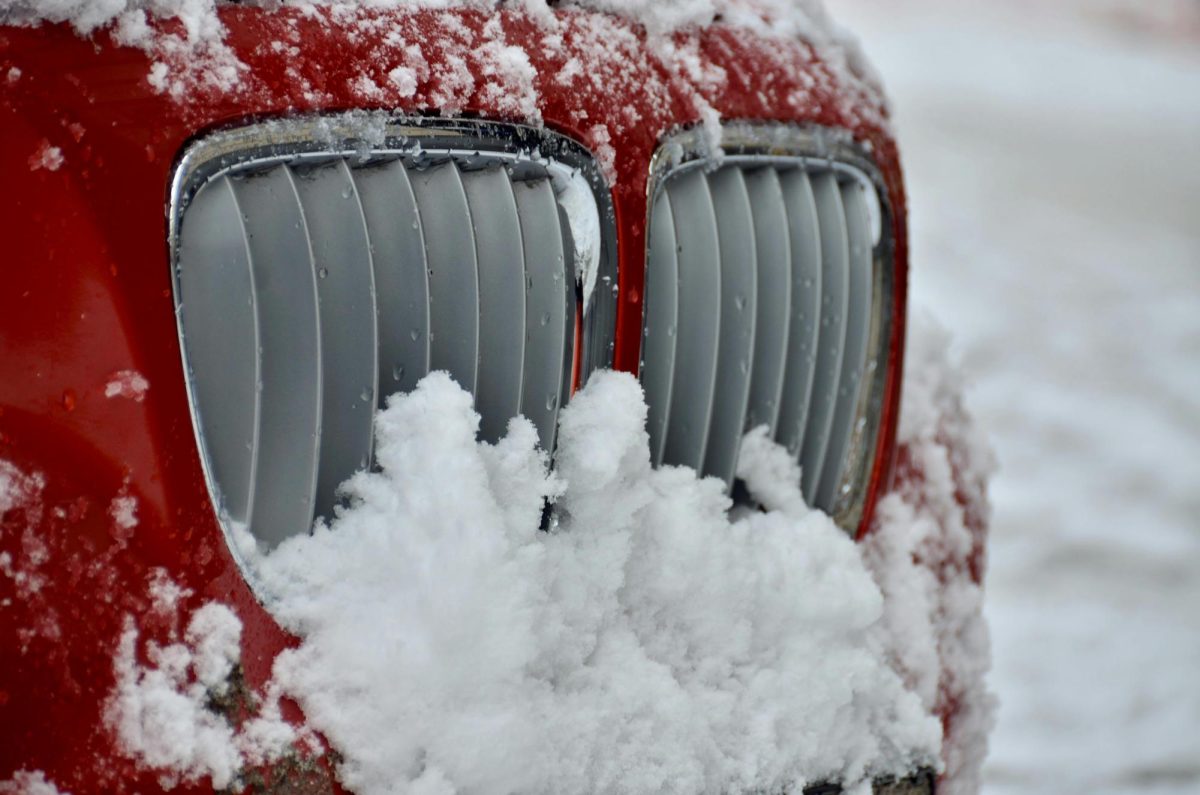
Over the years, many different government agencies like NHTSA and OSHA have given tips on what to do if you need to drive in the snow. Idrivesafely, an online drivers ed safety course, recommends the safest way to get through a snow storm is to stay home unless you need to drive. If driving is needed, many safety hazards may show up and impact your ability to drive. One of many issues is the reduced visibility you will have during a snow storm. The snow may block your windshields as well as your visibility to distant objects leading to many possibilities for a crash to happen if you are going too fast. Next, be mindful of carbon monoxide poisoning by making sure your exhaust pipe is clear of any snow or any gunk that might block it and run your car just enough to stay warm. Also, don’t run your car for long periods of time with the windows up. Lastly, Let your car be seen, this can be done by putting bright markers on the antenna and windows and by keeping the interior dome light on.
Even if the roads look fine under the snow there could be black ice that your car could slide on. With the reduced visibility this can be very dangerous as even if you brake you may keep sliding. When driving in the snow you may also experience loss of traction with your tires depending on the wear of them. You may also experience your brakes now working correctly, so it is recommended to drive slow. Another risk is other drivers. If you or any other drivers regulate their speed and keep their distance, crashes may happen due to the sliding and loss of traction that snow gives. During December of 2025, I (Ayden M) unfortunately rolled and totaled my car by not going slow while there was snow and ice on the roads. This caused me to slide out of a turn which led me directly into an electrical pole. Every year around 24% of weather related vehicle accidents caused are from snowy, slushy or icy pavement according to the Road Weather Management Program. 15% of weather related vehicle accidents also happen during snowfall or sleet.
Osha recommends that before you go out to drive in the snow to “Check your battery, tire tread, and windshield wipers, keep your windows clear, put no-freeze fluid in the washer reservoir, and check your antifreeze” as a part of their Safe Winter Driving checksheet featured on their website.