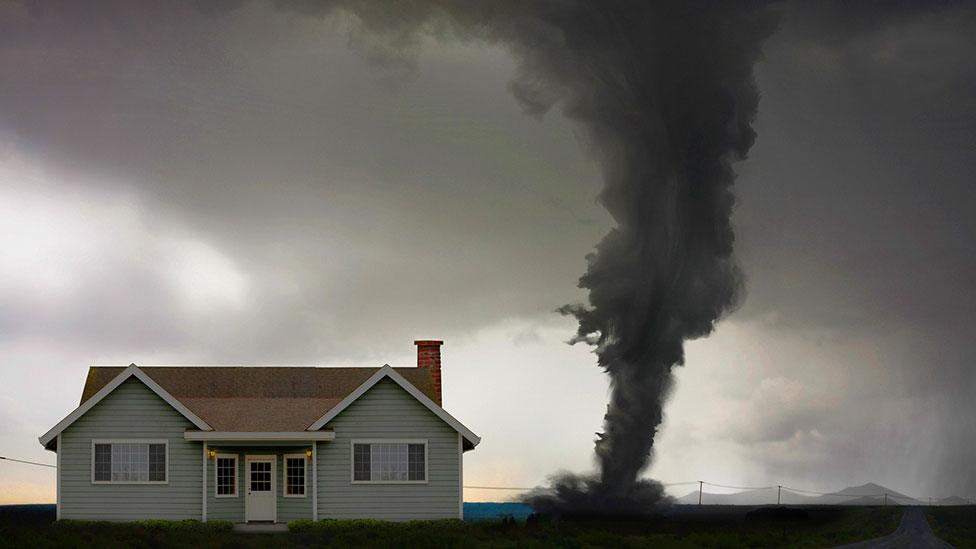
Every year, tornadoes cause billions in damage and take lives not because they’re unpredictable, but because too many people don’t know the simple steps that can keep them safe. According to the Insurance Information Institute, there are, on average, over 1000 tornadoes in the U.S per year. Here in the northeast, tornadoes aren’t common and are therefore overlooked by the public. But there is always a possibility of a tornado happening, and it is important to be prepared.
The first step to surviving a tornado is to take warnings seriously. Tornado warnings are provided through radio, TV broadcasts, mobile notifications, and local safety agencies. These sources give people far more lead time than they realize, but it only is helpful if you act right away. Once you get a tornado warning don’t waste your time debating if it’s “really that bad”. You should already be moving to find shelter. Seconds matter and hesitation is one of the biggest reasons people get hurt. In an interview with the Washington Post, Katie Pierce, a Kentucky tornado survivor said, “It was so fast but yet it felt like a lifetime.” This highlights just how fast but detrimental tornadoes are.
Another important step to surviving a tornado is finding shelter. According to an article by kcentv.com, if you experience a tornado, you should immediately move to the lowest floor of the building, ideally a basement or cellar. Places like these will give you the most protection. If a basement isn’t available, a bathroom or closet on the lowest floor can also shield you from high winds. Wherever you go, protecting your neck and head with helmets, pillows, or heavy blankets will prevent the risk of injury. As the article emphasizes, “knowing the safest place in your home can help protect you and your family.”
After the tornado passes, the danger isn’t over. Downed power lines, gas leaks, shattered glass, and unstable structures can turn the aftermath into a minefield. Stay alert, keep your shoes on, and avoid touching anything that looks damaged or sparking. Check on neighbors, especially those who are elderly or disabled, and use your phone only for essential communication to keep networks clear for emergency responders. Surviving a tornado isn’t just about the moment the storm hits, it’s about staying smart, calm, and cautious until the world around you is safe again.

