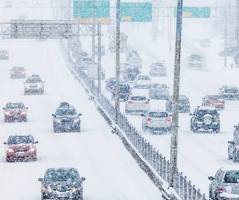
Driving in the snow can be really stressful, especially if you’re not used to it. I learned that it’s not just about getting from one place to another, you really have to prepare your vehicle to make sure you can drive carefully. According to the National Highway Traffic Safety Administration reported 39,345 total traffic facilities for the full year 2024 a 3.8% drop from 2023.
That made me realize how important it is to be ready before even starting the car. You will need to make sure that you have snow scrapers in your car. Also make sure that your tires have passed inspection or that you have snow tires on the car.
Before you drive in the snow, planning your route and checking the weather is really important. Kelley Blue Book says to study your route, check traffic updates, and give yourself plenty of extra time. It’s also important to clear all the snow and ice off of your car, including the roof, because snow can block your view or fall on other drives. Unirotal recommends topping up your windshield washer fluid with winter grade fluid and making sure your wipers work. Bill Plant Driving School also reminds you to wear dry, comfortable shoes so your feet don’t slip on the pedals.
Tires make a huge difference in winter driving. Continental tires explains that worn tires don’t stop as well on snow and ice, so having snow tires or ones with good tread depth is safer. NHTSA also says tire pressure dips when it’s cold, so it’s smart to check them often and replace tires that are too old or worn out.
When you’re actually driving, smooth and gentle movements are key. Continental tires says to accelerate slowly, also pushing the pedal softly to rev the engine instead of spinning the tires too fast, and shift to a higher gear as soon as you can. Everyone agrees that you should keep a longer distance between you and the car in front because stopping takes much longer on snow and ice, sometimes up to ten times longer.
If your car starts to skid, the advice is to stay calm and steer in the direction of the skid without slamming on the brakes. Going downhill, you need to brake slowly or stop suddenly.
Overall, driving in the snow is all about preparation and staying calm. Bill Plante driving school suggests that taking a winter driving course can really help you feel confident in icy conditions. By checking your car, planning ahead, and driving carefully, it’s possible to stay safe and even enjoy the experience of driving in winter weather.