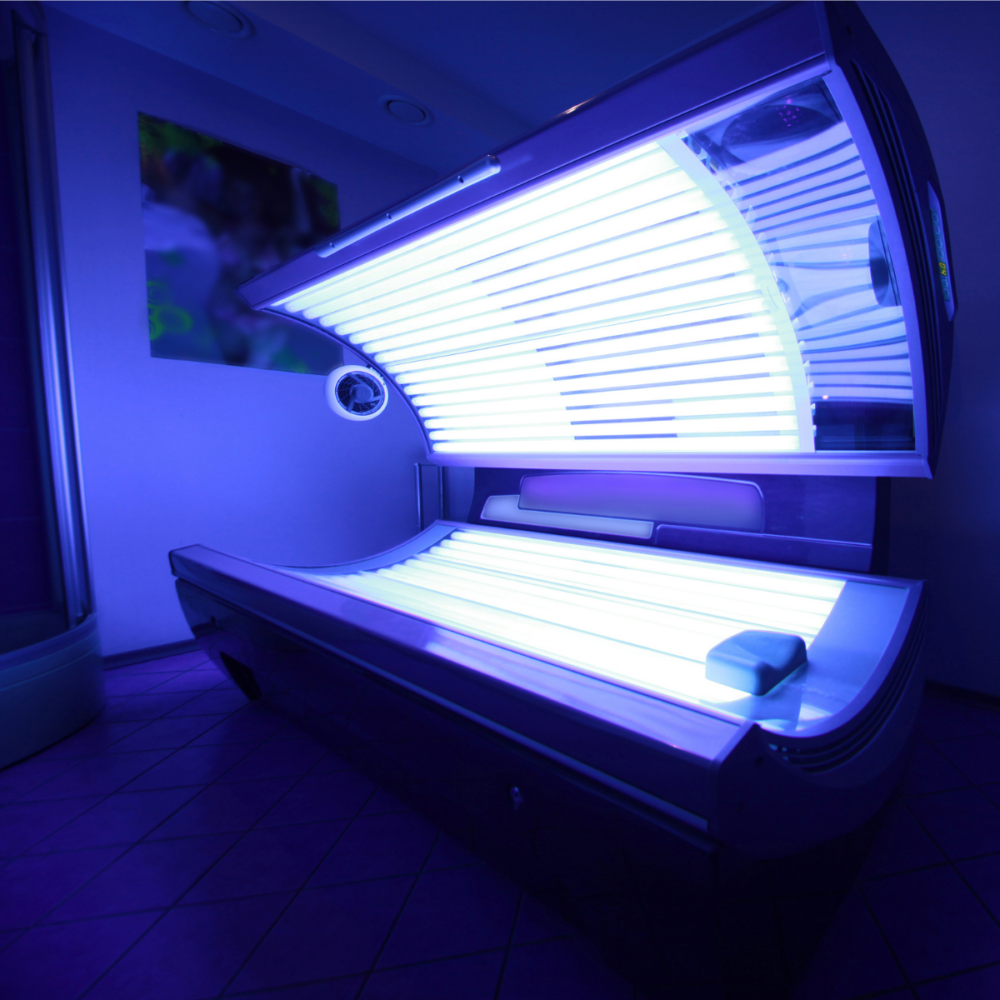
According to the American Cancer Society, using a tanning bed before the age of 35 can increase the risk of skin cancer by 59%-75%. There are extremely harmful effects like accelerated skin aging, higher risk of cancer, and more from the use of tanning beds. It’s important to educate the public on these consequences.
In the U.S. there are over 419,000 cases annually of cancer linked to tanning beds, according to the skin cancer foundation. And even in most cases, “there are more skin cancer cases due to indoor tanning than there are lung cancer cases due to smoking” , said the Skin Cancer Foundation. IMPACT Melanoma, the nation’s leading nonprofit, says that tanning beds emit 3 to 12 times more UVA radiation than the midday sun. It directly damages the skin’s DNA, significantly increasing the risk of melanoma and other skin cancers. “The use of indoor tanning equipment before the age of 35 leads to a 59% increased risk of melanoma” says the Canadian Cancer Society.
The National Institutes of Health explains UV radiation can also quicken the aging of skin. It does this by emitting intense UVA waves that penetrate the skin and destroy collagen and elastic fibers. Collagen is the body’s most abundant protein and provides structural integrity for the skin.
Addiction is also a prevalent consequence from using tanning beds. It is most commonly found in teenagers and young adults. Using tanning beds can boost vitamin D production, something that is normally lost in the winter months.
The exposure to the particular rays in the beds boost serotonin and endorphins that create a pleasurable feeling. In 2017 a study conducted by the Georgetown School Of Medicine found that similar to smoking, after trying a tanning bed only one time individuals will feel that they gained something from it and will continue to go back. Finally, there is an increased risk in damaging your eyes because of the UVA radiation waves. There is an accelerated risk of cataracts, muscular degeneration, and photokeratitis. To avoid this from happening you should use eye protection such as UV blocking eyewear like disposable sticky cones that shape to your face or reusable tanning goggles.
With the slight benefits from the use of tanning beds, it is clear the consequences heavily outweigh them. It’s important to always have constant checkups with your doctors to help prevent the development of skin cancers. Educating the public on the effects of tanning beds can also help prevent the rising cases of skin cancers.